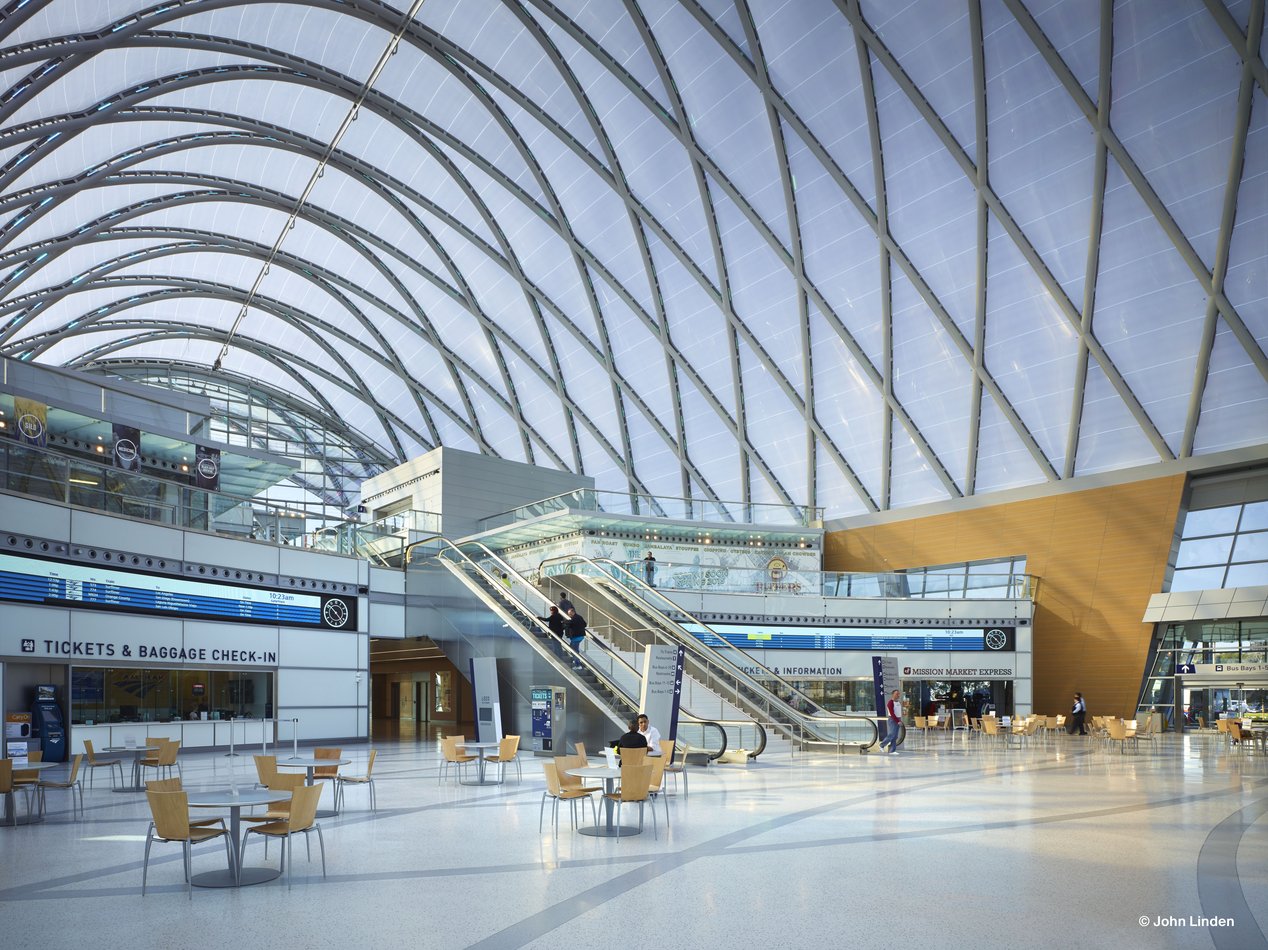
ETFE Single-Layer vs. Multi-Layer: Choosing the Right System for Large-Scale Architecture
ETFE foil systems have become a proven design tool for large-span roofs, skylights, and façades in venues where daylight, weight, and expressive geometry matter – stadiums, retail atriums, transport hubs, zoological exhibits, and hotel lobbies alike. In early design phases, one decision frames nearly everything that follows: single-layer ETFE or multi-layer ETFE cushion systems.
Both approaches are widely used in landmark projects. Neither is a “better” choice by default. The right solution depends on the architectural intent, environmental targets, and how the building will be operated.
Two system logics, two sets of strengths
Single-layer ETFE is typically detailed as a tensioned membrane supported by cables, cable nets, or perimeter framing. Its main advantages are minimum dead load, efficient spanning with reduced primary steel, and a clean architectural reading – ideal for canopies, façades, connectors, and open or semi-conditioned spaces where the envelope is primarily about weather protection, daylight, and form.
Multi-layer ETFE cushions are built from multiple foils welded and clamped at the perimeter, then stabilized through low-pressure air inflation. The cushion geometry creates air cavities that can improve thermal performance and help tune the indoor environment for enclosed, high-occupancy spaces such as atriums, malls, and large public halls. These systems also bring an operational layer: inflation equipment, monitoring, access planning, and a maintenance concept.
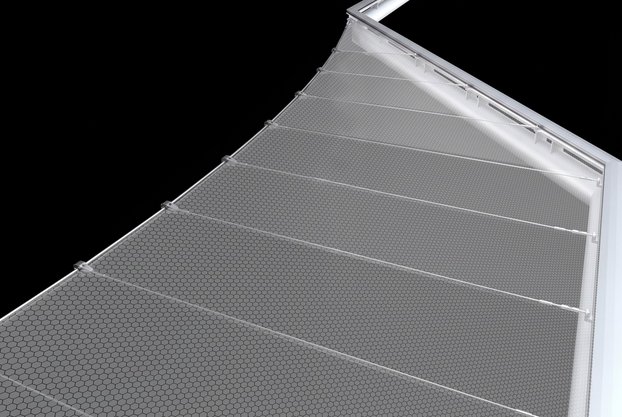
Single layer application
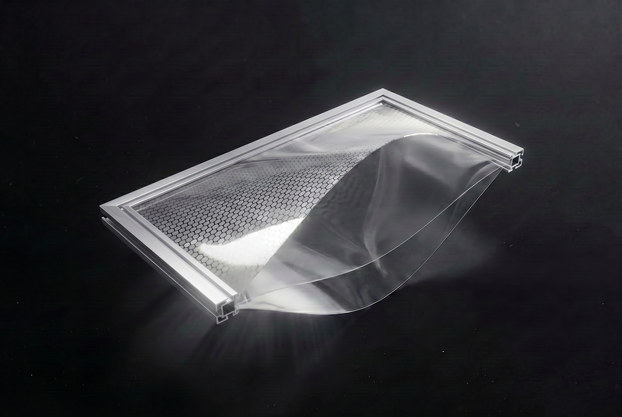
Multi layer application
What drives system selection in real projects
Architects and planners usually evaluate ETFE systems through a blend of building physics, structural strategy, and user comfort:
Envelope performance targets: U-factor and SHGC become central when the space is enclosed, occupied, and climate-controlled. The design team typically assesses how the envelope contributes to heating and cooling loads, glare control, and daylight autonomy.
Geometry and support strategy: Single-layer membranes integrate naturally with cable-net structures and long-span concepts; cushions often align well with modular framing and repetitive bay planning.
Operational expectations: Cushions require an inflation and monitoring concept; single-layer systems reduce building-services complexity.
Experience of the space: Light quality, visual openness, reflections, and night-time identity (including lighting concepts) can differ noticeably depending on system choice and detailing.
Solar control that stays architectural: printing as a design instrument
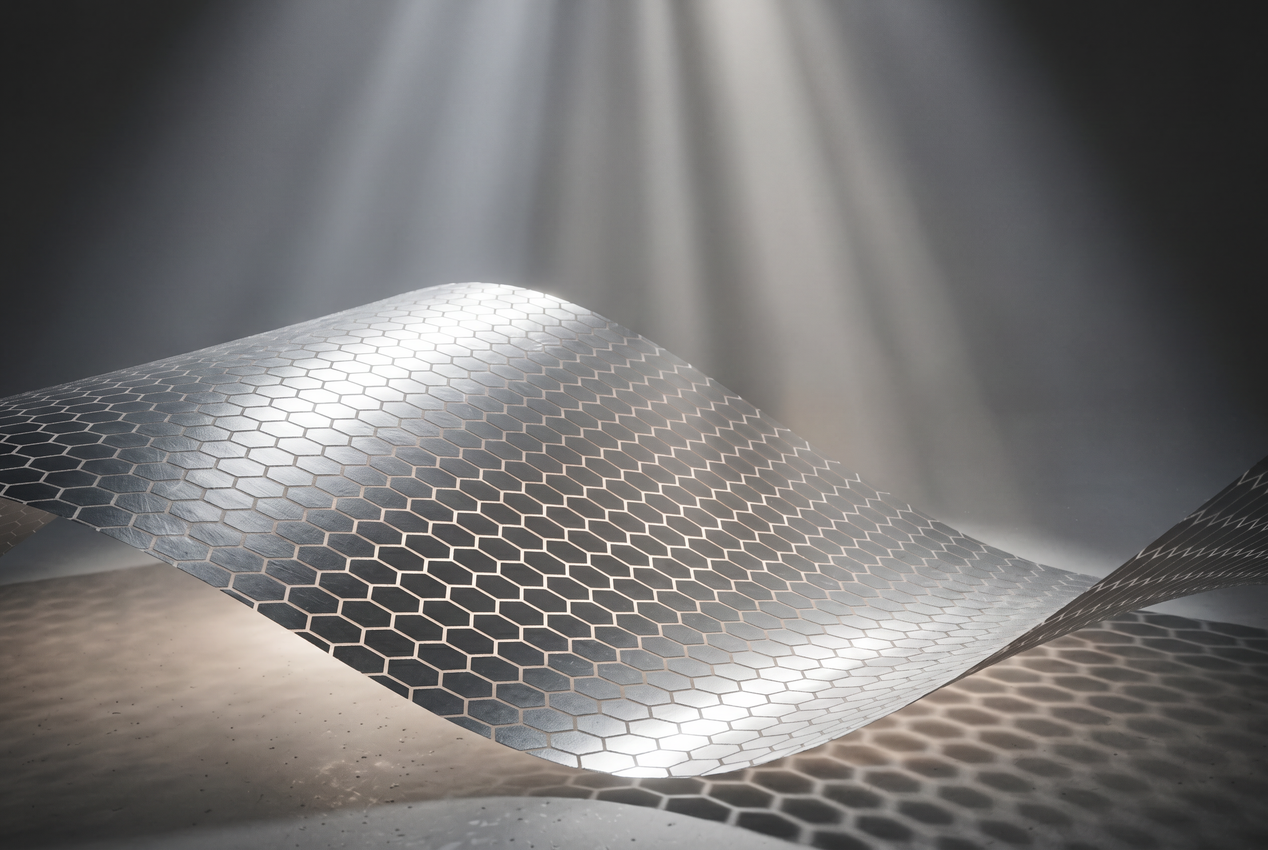
For many large projects, the most critical challenge is not maximizing daylight – it is shaping it. Printed ETFE enables precise control of solar gain and light transmission while preserving the material’s signature lightness.
Arctens® is Hueck Folien’s printed ETFE for architectural applications, designed for roof and façade applications in both single-layer and multi-layer systems. Shading performance can be adapted to the project through print design and print density, supporting tailored solutions for indoor climate targets and visual comfort.
From concept to specification: what to align early
ETFE succeeds when material, system, and detailing are developed together – ideally before the façade or roof package is signed off. Early alignment on system type, print strategy, and performance intent helps avoid late redesigns.
If printed ETFE is being considered for your next roof or façade, Arctens® can support both single-layer and cushion concepts, with custom patterns for solar control and aesthetics. With our extensive network of film manufacturers, system suppliers, and converters, we have the right partners at our side to successfully deliver your architectural project.